The Top Twelve Stock Market Scams of the Last Twelve Years
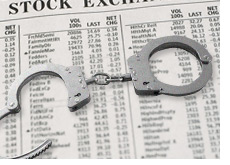 The title is self-explanatory. Here are the top 12 scams since 1995:
12. The Emulex Press Release Hoax. In the summer of 2000, Mark Jakob, a former employee of Internet Wire, sent out a fake press release stating that Emulex was under investigation by the SEC, that its CEO was resigning and that it was restating its previous quarter earnings to a loss. Mark Jakob, now a student at El Camino Community College, used his connections and knowledge of Internet Wire to fudge the press release through the standard screening procedures. The stock tumbled as low as $43 from the previous day's close of $113.06 before quickly recovering. Jakob ended up profiting almost $250k from the scam. He was quickly caught, sentenced to 44 months in jail and had to forfeit his gains, plus pay an extra $103k in fines.
11. Market Maker Gouging. February, 2004. Top market makers agree with regulators to pay a $240 million dollar penalty for trading abuses, including trading ahead of customers and other violations including "interpositioning." Market makers involved in this settlement included LaBranche & Company, Fleet Specialist and Leeds & Kellogg. None of these names sound too significant until you see the names of the companies that own them: FleetBoston, Goldmans Sachs and Bear Stearns. These market makers took advantage of the antiquated system of trading on the NYSE and exploited their customers for their own benefit.
10. CEO Compensation - CEO's of publicly traded companies making tens of millions of dollars per year in compensation. Fired company officials with only six months of service at a company walking away with millions of dollars in compensation. As shareholders in these companies, this is OUR money that they are pilfering. Eventually, CEO compensation will become a big issue.
9. Tyco. For a time, Tyco was a darling of Wall Street, as was company officer Dennis Kozlowski. Along with CFO Mark Swartz and CLO Mark Belnick, the three pilfered hundreds of millions of dollars from the company and its shareholders by issuing themselves unauthorized loans and unauthorized stock sales. These three were addicted to their extravagant lifestyle, and used these ill-gotten funds to fuel their lifestyles. Eventually they were caught and convicted to 25 years in jail. The main victims in all of this were the shareholders, that saw their shares plunge over 80% in just a few short weeks.
8. Centennial Technologies. Traded as high as $55.00 on the New York Stock Exchange, but the entire company was built on smoke and mirrors in the form of forged company documents. The company reported millions of dollars in sales of PC memory cards, when in fact they were shipping fruit baskets to their customers and falsifying sales invoices. Eventually the SEC caught up with them and found that the company had overstated earnings by $40 million dollars. Supposed profits turned into losses and the company went up in smoke.
7. Day-Trading Chat Rooms. In the late '90s, Daytrading was a huge business. Most people followed the stock market religiously, and quite a few people decided to dip their toes into the water and try trading on their own. Most people, intoxicated by the allure of easy money trading high-flying Internet stocks, started to day-trade. Buy a high-flying Internet stock in the morning, sell it in the evening for a quick five digit gain. Chat rooms such as Tokyo Joe and Anthony Elgindy's room quickly became very popular, and they charged an arm and a leg for their day-trading recommendations. When the dot-com bubble popped, these daytrading chat rooms quickly lost their appeal, and in some cases, their operators were either fined and sanctioned by the SEC or sent to jail for trading infractions.
6. Bre-X. Was purported to own the richest gold mine ever, containing over 200 million ounces of gold in Indonesia. At its peak, Bre-X had a capitalization of over $4 billion dollars. Can you see the pattern here? The entire gold mine story was bogus, and the stock price evaporated overnight. Core samples were falsified, and the Busang site in Indonesia turned out to be worthless. In 1997, the stock completely collapsed, and thousands lost their investments in the company.
5. Worldcom. Was a giant company, which made the "book-cooking" seem even more unbelievable. I mean, how could such a massive company make such stupid mistakes? The company recorded operating expenses as investments in the company, which grossly exaggerated total profits. In 2001, the company reported a profit of $1.3 billion dollars, which was completely bogus. The stock, which was an 800 pound gorilla at one time and a seemingly bulletproof investment, tumbled from $60 to pennies per share. Because of mutual fund and index fund exposure, tens of thousands of people lost money due to the Worldcom hoax, plus tens of thousands of people lost their jobs.
4. Healthsouth. Another case of a company engaging in deception to make their earnings reports seem much better than they actually were. CEO Richard Scrushy instructed employees to inflate revenues and overstate income. The scandal eventually came to light when CFO William Owens, now working with the FBI, recorded Scrushy talking about the deception on tape. Scrushy also sold shares of the company just before a major loss was announced. The stock was crushed when the allegations came to light, trading from $20 down to pennies in just one trading session.
3. The Pattern Daytrader Rule. A ridiculously stupid rule instituted by the SEC once the Internet bubble had popped. Big brokers were getting their heads handed to them by companies such as E-Trade and Ameritrade, and since these big brokers sit on the boards of the NYSE and NASDAQ, they proposed the "Pattern Daytrader Rule." The PDT is meant to neuter small-time daytraders and make it very difficult for them to trade their own money how they see fit. Basically, you are not allowed to daytrade more than 3 times in 5 days if you have less than $25,000 in your account. Forget the fact that it's your money. Forget the fact that you could be profitable on every trade. The SEC instituted this rule to "protect people from themselves." BS. The big brokers implemented this rule to protect their retail trading business, and they slid this rule in when no one was paying any attention.
2. Enron. Was once one of the top 10 biggest companies in the United States. Through the elaborate usage of shell companies and offshore companies, Enron cooked its books to hide debt and multiply their earnings. Not only they do this to make their earnings reports look better, but certain company officials also enriched themselves personally. Enron was a huge mess, taking down accounting firms and sending multiple people to jail in the process. The stock price fell from $90 down to pennies a share, and many people lost their retirement savings.
1. Dot Com Boom 1.0 - A massive fraud that was perpetrated on the public. Everyone had their hands dirty; big brokerages upgrading and pushing dot com stocks on their customers while privately calling the companies worthless in internal memos; big brokerages again for underwriting companies that they knew had no chance of ever making money just so they could bank their huge underwriting fees; big brokerages again for upgrading these POS stocks so that they could earn more fees underwriting the worthless companies' secondary offerings; big brokerages once again for allowing their analysts to issue outlandish price targets with no real justification; television stations such as CNBC for breathlessly hyping Internet stocks; the government for not giving the SEC the proper resources to investigate all of the shenanigans that were taking place at the time, and the media in general for not having the intestinal fortitude to critically analyze the dot com bubble for fear of alienating their readers. The extent of the fraud was far-reaching and millions lost money, and many thousands lost their life savings.
Filed under: Stock Market Scandals | Stock Market Education | General Knowledge