
A History of the US Public Debt Load
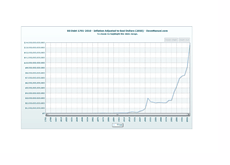 At the end of the 1791 fiscal year (which is the first year of available data from TreasuryDirect.gov), the United States had a total public debt load of $75,463,477. This works out to around $1.75 billion in 2010 dollars.
 At the time, the United States had a population of roughly 5 million people. So, the average US citizen in 1791 owed $350 (in 2010 dollars) as their share of the nation's total public debt load.
219 years later, at the end of the 2010 fiscal year, the United States had a total debt load of around $13.56 trillion. Each of the nation's 308 million citizens owed around $45,800 as their share of the US public debt load at the end of the 2010 fiscal year.
Obviously things have changed DRASTICALLY in the country over the past 219 years, but facts are facts and numbers are numbers - the USA has added an average of $60 billion to its debt load per year over the last 219 years, with the bulk of this taking place over the last few decades.
There was a time, believe it or not, when the United States was debt-free. In 1835 and 1836, the United States reported owing just $33,733 and $37,513, respectively. This works out to less than $1 million in 2010 dollars.
One year later, the "Panic of 1837" hit, resulting in a multi-year depression. By 1843, the United States owed $32,742,922, which works out to a little less than $1 billion in 2010 dollars.
This figure was more than halved by the end of the 1846 fiscal year, when the United States reported owing $15.5 million (about $444 million in 2010 dollars).

At the end of the 1861 fiscal year, the US owed $90,580,874, which works out to around $2.2 billion in 2010 dollars. The American Civil War would then wreak havoc on the finances of the country, which is a theme that would continue itself over the next 150 years.
By 1862, the debt load of the US soared to over $524 billion, which works out to $11.4 billion in 2010 dollars. By 1863, the US owed over a billion dollars ($1,119,772,139), and by 1866, this number had soared to $2,773,236,174 (this works out to around $38 billion in 2010 dollars).
Following the end of the American Civil War, the country was able to stop the bleeding, and the debt load of the nation would noticeably decrease over the coming decades. By 1893, the country's $2.7 billion debt load had been pared down to about $1.5 billion, which works out to around $37.7 billion in 2010 dollars. The country benefited from a period of exceptional economic growth.
By the end of the 1900 fiscal year, the United States would owe about $2.1 billion, which works out to roughly $55 billion in 2010 dollars. 100 years later, the country would have a total debt load of nearly $5.7 trillion.
Things would remain relatively calm until the onset of WWI. From 1900 to 1914, the United States added just $800 million to its total debt load. By the end of the 1919 fiscal year, the country would report owing $27.3 billion, which works out to around $346 billion in 2010 dollars.
The end of WWI and the onset of the "Roaring Twenties" would result in the US being able to significantly cut down on its debt load. By the end of the 1930 fiscal year, the US would report owing $16.1 billion in total debt, down roughly $11 billion from 1919.
The "Great Depression" then hit, resulting in high unemployment and a dramatic change in the way that the country is run. A number of new social safety nets were implemented, which would have an incredible impact on the finances of the country going forward.
By the time that 1939 rolled around, the United States had a total debt load of over $40 billion. The country would significantly add to its debt load upon entering WWII, and by the end of the 1946 fiscal year, the country would owe over $269 billion, which works out to over $3 trillion in 2010 dollars.
The country would then enjoy a period of tremendous economic growth and unbelievably low unemployment rates, which resulted in the debt load of the country barely changing from 1946 to 1957. By the end of the 1957 fiscal year, the country reported owing a little over $270 billion in total debt.
The debt load of the country would slowly increase over the coming years, but things really started to escalate in the late '60s and early '70s. The United States would enter a costly war in Vietnam, and by the time that Saigon fell in 1975, the country owed over $533 billion (about $2.1 trillion in 2010 dollars).
The 1973 oil crisis and 1979 energy crisis would soon take place, resulting in high inflation in the country. By the end of the 1979 fiscal year, the country owed over $826 billion.
in the early '80s, the country was being battered by stagflation (high inflation coupled with weak economic growth). Ronald Reagan was elected as president and implemented tax cuts in order to stimulate the economy. Another one of the fundamental principles in his presidential campaign was a stronger national defense, which resulted in increased military spending.
The economy regained its solid footing, but the debt load of the country soared. By the end of the 1982 fiscal year, the country reported owing over a trillion in debt for the first time - by 1986, this number had soared to $2.12 trillion (roughly $4.2 trillion in 2010 dollars).
When Ronald Reagan was readying his leave from the White House, the country reported owing a total of roughly $2.85 trillion.
Over the next four years, the country would fight the Gulf War and suffer through a recession. By the end of the 1993 fiscal year, the country owed $4.4 trillion, which works out to around $6.6 trillion in 2010 dollars.
The United States would enjoy a strong economic boom in the mid to late '90s, but the country still managed to add over a trillion dollars to its debt load during President Clinton's time in the White House. By the end of the 2000 fiscal year, the country reported owing about $5.67 trillion. The country managed to add less than $20 billion to its debt load during the 2000 fiscal year, a seemingly ridiculous number when you consider the deficit totals of 2009 and 2010.
From 2001 to 2010, the country suffered through 9/11, two wars (Afghanistan and Iraq) and a near-fatal economic meltdown in 2008. From 2000 to the end of the 2010 fiscal year, the debt load of the United States more than doubled. By the end of the 2008 fiscal year, the United States reported owing over $10 trillion for the first time, and by the end of the 2010 fiscal year, the country owed $13,561,623,030,900.
What will the next 219 years look like?
Source: History of Debt in the United States
Filed under: General Knowledge