The Night the Capitol Blew Up in 1983
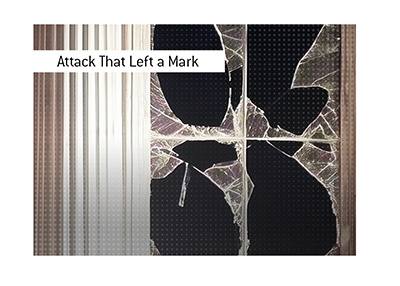 November 7, 1983. Just before 11 p.m. A bomb hidden under a bench inside the Capitol's Senate wing detonated. The building shook. Glass shattered. Offices were torn apart.
The target? A space just outside the Republican cloakroom. The door to Senate Minority Leader Robert Byrd's office was blown off. Ceilings cracked. Marble split. Mirror shards and debris were scattered across the corridor. Six historic paintings were damaged. One - of Daniel Webster - was shredded into pieces. Staff later pulled fragments out of trash bins in a desperate effort to preserve what was left.
The attackers gave warning. A woman called Capitol Police ten minutes before the blast. She claimed the bomb was retaliation for U.S. military action in Grenada and Lebanon. She said she represented the "Armed Resistance Unit."
Damage estimates ran from $250,000 to over $1 million. But no one was killed. No one even injured. That was intentional. The bombing was designed to make a statement, not a body count.
It was the most significant attack on the Capitol in decades. Security in 1983 was minimal. Visitors could walk into the building with little oversight. That changed after the blast. Overnight, the Capitol became more restricted. Public access was cut. Metal detectors appeared. Identification rules tightened. The idea of a "people's building" began to shift.
The group behind the bombing? A radical offshoot of the Weather Underground. They called themselves the May 19th Communist Organization. Their members had ties to other violent incidents, including armored car robberies and jailbreaks. After five years of investigation, the FBI made arrests in 1988. Three were convicted for their roles in the Capitol plot. Long prison sentences followed.
For years, the 1983 bombing faded from memory. It didn't dominate headlines. It wasn't replayed on television. But it left a mark. Both physical and political.
Before January 6, 2021, it stood as one of the most serious acts of domestic terrorism against the U.S. government in modern history. A reminder that institutions - even ones made of marble - are vulnerable. And that political violence isn't new. It just changes form.
Filed under: General Knowledge