The Great Salad Oil Swindle of 1963
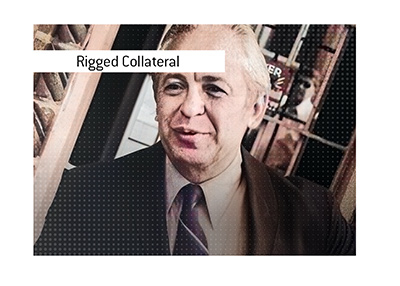 In 1963, a man named Anthony "Tino" De Angelis nearly broke the American financial system.
He wasn't a banker. He wasn't a trader. He sold salad oil.
De Angelis ran Allied Crude Vegetable Oil Refining Corp., based in Bayonne, New Jersey. His business model was simple on paper: buy and store massive quantities of soybean oil, use it as collateral, and secure loans to expand.
Banks loved it. So did brokers. At one point, Allied was borrowing against over a billion pounds of oil. But there was a problem.
The oil didn't exist.
Inspectors checking De Angelis' tanks found them full. But the tanks were rigged. A thin layer of oil sat on top of water. The dipsticks hit oil, and everyone signed off.
He also used phony warehouse receipts and shell transactions to inflate inventories. This wasn't a small-time hustle. Over 50 companies were involved, including giants like American Express.
By the time the scam unraveled in November 1963, Allied had defaulted on over $150 million in loans. American Express took a $58 million hit. Banks scrambled. Investigators poured in.
Markets shuddered. Confidence cracked. The Dow dropped more than 5% in two days.
The SEC and FBI launched full investigations. De Angelis was arrested. He served seven years in federal prison.
The fallout triggered a wave of regulatory changes. Financial institutions revamped how they verified collateral. Auditors overhauled inspection protocols. But the damage was done.
This was not just a commodities scam. It was a systemic breakdown of trust and verification. One man, a warehouse, and a rigged tank nearly brought down a network of Wall Street lenders. A reminder that risk often hides behind routine.
Filed under: General Knowledge