The Suriname Crash That Could Have Remade the Supreme Court
 In 1943, a military transport plane left Washington, D.C. carrying an unusual passenger list. On board were several judges and government officials. The plane never made it to its destination.
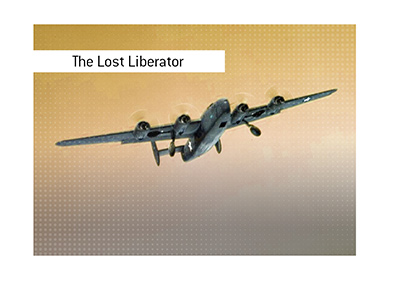
The aircraft was a C-87 Liberator Express, a transport version of the B-24 bomber. It was scheduled to fly from Washington to South America as part of a wartime goodwill mission. The passenger list included members of the judiciary and senior government staff.
The crash came near Suriname. The Liberator went down in the jungle, killing all aboard. The wreckage was not immediately located. For months, the fate of the passengers was uncertain.
What makes this story remarkable is who narrowly avoided being on that flight. Several U.S. Supreme Court Justices had been invited to join the trip but canceled at the last moment due to scheduling conflicts. Had they boarded, the Court could have lost multiple sitting justices in one day.
The judiciary was already stretched thin during World War II. A sudden loss of several members of the highest court would have triggered a constitutional crisis. Franklin D. Roosevelt would have faced the task of replacing multiple justices during wartime, instantly altering the balance of the Court.
The timing also mattered. In 1943, the Court was ruling on landmark issues tied to civil liberties, wartime powers, and executive authority. Losing multiple voices in the middle of those decisions could have reshaped U.S. constitutional law for decades.
The data underscores the narrow escape. Between 1930 and 1950, only four sitting Supreme Court justices died in office. If two or three had been lost in one crash, that single day would have equaled half a generation's turnover.
Filed under: General Knowledge