The Starbucks Crisis That Reshaped the Brand
 By 2008, Starbucks was everywhere. Thousands of stores worldwide. The "third place" between work and home. A symbol of American consumer culture. But the company was also in trouble. Too many stores, too much debt, and a brand that was losing its identity. Starbucks came close to breaking.
The signs were obvious. In fiscal 2008, same-store sales declined for the first time in the company's history. The stock price cratered, losing more than half its value. Investors worried that Starbucks had expanded too quickly, opening stores across the street from each other. The company shut down more than 600 locations in the U.S., and tens of thousands of employees were laid off.
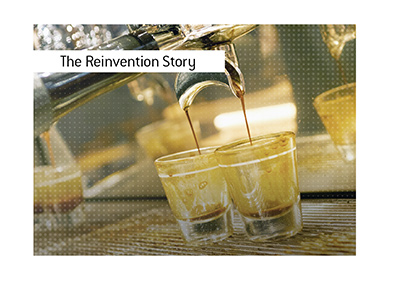
The problem wasn't just overexpansion. Starbucks had drifted from its core identity. Automated espresso machines replaced barista skill. Prepackaged foods filled display cases. The focus shifted from experience to efficiency, and consumers noticed. Competitors such as McDonald's and Dunkin' Donuts capitalized, offering cheaper alternatives.
Howard Schultz, the company's former CEO, returned to lead the turnaround in 2008. One of his first moves? Closing every U.S. store for three hours to retrain baristas on the art of making coffee. It was symbolic but also practical. Starbucks needed to reconnect with quality and customer experience.
Schultz also slowed expansion, cut costs, and focused on digital innovation. The Starbucks loyalty program and mobile app became industry leaders. International markets provided growth. By 2010, the company had stabilized. The brand regained its cachet, and the stock price started climbing again.
Starbucks had flirted with collapse, but the crisis forced discipline. The 2008 shutdown marked the end of unchecked growth and the beginning of a more sustainable model. By 2020, the company was valued at more than $100 billion, a staggering turnaround from the days when Wall Street was calling for its downfall.
In 2008, Starbucks' stock bottomed under $8 per share. A decade later, it traded over $90.
Filed under: General Knowledge