The 35-Day Shutdown That Froze Washington
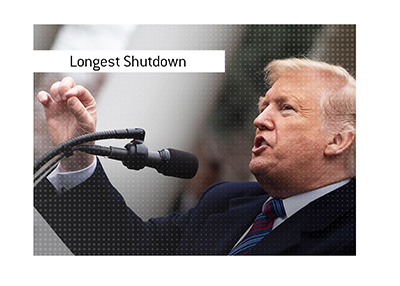 The United States has seen more than a dozen government shutdowns in modern history, but the longest one stretched on for 35 days between late 2018 and early 2019. What triggered it? The fight over a wall along the US-Mexico border. President Donald Trump made the wall one of his central campaign promises, while Democrats in Congress flatly rejected his demand for billions in funding. Neither side wanted to back down.
The shutdown began on December 22, 2018. Trump insisted on $5.7 billion for wall construction. Democrats, led by Nancy Pelosi and Chuck Schumer, refused to agree. Instead, they offered less than a quarter of that amount for general border security. The impasse immediately froze large parts of the federal government. Roughly 800,000 federal employees were either furloughed or working without pay.
The effects rippled quickly. TSA agents called in sick. The IRS prepared for tax season without funding. The FBI warned of growing operational risks. Federal courts rationed funds. National parks operated with skeleton crews. Contractors, many of whom would never see back pay, were hit even harder than government employees.
Trump gambled that public opinion would side with him, betting that Democrats would be forced to move. Instead, as weeks dragged on, polls showed most Americans blamed the President. Airports reported longer lines, and stories of unpaid federal workers made daily headlines. Pelosi blocked Trump from delivering his State of the Union address during the shutdown, a symbolic blow that underscored her leverage.
By late January 2019, the standoff had become politically unsustainable. On January 25, Trump announced that he would reopen the government for three weeks without securing wall funding. The longest shutdown in US history ended with no immediate progress on the central issue that caused it. In the end, the wall funding fight shifted to a broader political and legal battle, while the shutdown itself left a lasting mark on federal workers and institutions.
The 35-day shutdown eclipsed the previous record of 21 days in 1995-1996 under Bill Clinton. Federal workers missed two paychecks, and the Congressional Budget Office later estimated the shutdown permanently erased more than $3 billion in economic activity.
Filed under: General Knowledge